 Skip to content
Can we meaningfully blunt dentin hypersensitivity at home without masking a serious problem? We can, if we target triggers and protect enamel and exposed dentin with evidence-based steps. We’ll examine how desensitizing agents reduce fluid flow in tubules, why technique matters more than force, and which acids worsen demineralization. We’ll also outline when temperature control helps and when symptoms signal pathology, so we act early, avoid harm, and choose interventions that actually work.
Identify Common Triggers for Sensitivity
Although tooth sensitivity can have multiple etiologies, most episodes are triggered when exposed dentin transmits thermal, osmotic, or mechanical stimuli to the pulp. We’ll help you pinpoint sensitivity causes: cold drinks, acidic foods, and hypertonic sweets provoke fluid shifts within dentinal tubules. Forceful brushing, gingival recession, cracked enamel, and bruxism increase dentin permeability and risk of nerve exposure. Recent whitening, chlorhexidine stains with abrasion, and postoperative restorations can transiently heighten sensitivity. Reflux and xerostomia amplify acid erosion. Even inhaled cold air, dental probing, or ultrasonic scaling can elicit brief pain. Tracking triggers guides targeted behavior changes and clinical evaluation.
Choose a Toothpaste Designed for Sensitive Teeth
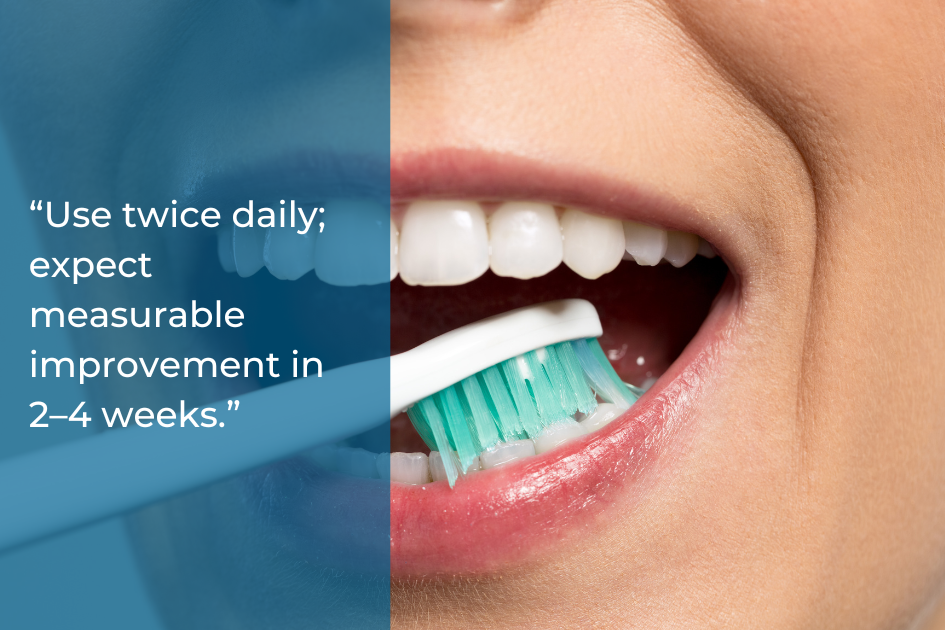
A desensitizing toothpaste is a first-line, low-risk intervention that reduces dentinal tubule fluid movement or interrupts nerve signaling. We’ll guide you to select formulations with proven toothpaste ingredients for sensitivity relief. Choose potassium nitrate (5%) to depolarize intradental nerves, or stannous fluoride (0.454%) and arginine-calcium carbonate to occlude tubules. Fluoride (1,000–1,500 ppm) strengthens enamel and root dentin. Avoid abrasives labeled “whitening” or high RDA values. Use twice daily; expect measurable improvement in 2–4 weeks. If reflux, xerostomia, or acid exposure is present, consider low-abrasion pastes with calcium-phosphate complexes. Persistent symptoms warrant an exam to exclude caries, fractures, or pulpal pathology.
Adjust Your Brushing Technique and Tools
Desensitizing toothpaste works best when we brush in a way that protects exposed dentin and gingiva. We use a soft-bristled brush, light fingertip pressure, and short, 45-degree strokes along the gingival margin to minimize abrasion and recession. An electric toothbrush with a pressure sensor helps standardize force and reduce overbrushing. Ideal brushing frequency is twice daily for two minutes; more frequent or aggressive brushing increases dentin wear and cervical notching. We avoid horizontal “scrubbing,” especially at the necks of teeth. After acidic foods, we wait 30 minutes before brushing to prevent erosion. Replace brush heads every 3 months for efficacy.
Rinse With a Fluoride or Desensitizing Mouthwash
When we add a fluoride or potassium nitrate mouthwash to our routine, we deliver ions that occlude exposed dentinal tubules and reduce neural excitability. We’ll gain fluoride benefits such as enhanced remineralization and increased enamel resistance, lowering sensitivity thresholds. Effective mouthwash options include 0.02–0.05% sodium fluoride or 5% potassium nitrate formulations. We should rinse once or twice daily for at least 30 seconds, avoiding eating or drinking for 30 minutes post-rinse to optimize uptake. Alcohol-free products reduce mucosal irritation. If symptoms persist beyond two weeks, we’ll schedule an evaluation to rule out caries, cracks, or gingival recession requiring in-office therapy.
Minimize Acidic Foods and Beverages
Although sensitivity has many causes, dietary acids are a common, modifiable driver. We should limit exposure to acidic fruits, citrus juices, carbonated drinks, sports beverages, vinegar-based foods, and wine. Acids lower oral pH, demineralize enamel, and expose dentin tubules, amplifying sensitivity. Let’s concentrate acids at meals, not sip them over hours. Use a straw, avoid swishing, and follow with water or milk to neutralize pH. Delay brushing 30–60 minutes after acids to prevent abrasive erosion. Choose lower-acid alternatives, sugar-free gum with xylitol, and calcium-rich snacks. If we crave citrus, pair it with meals and keep total frequency low.
Protect Teeth From Nighttime Grinding
Even without daytime symptoms, nocturnal bruxism can abrade enamel, expose dentin tubules, inflame the periodontal ligament, and heighten thermal sensitivity. We can protect teeth by reducing occlusal load and minimizing microtrauma while we sleep. Custom nighttime splints distribute forces and prevent attrition. Let’s pair mechanical protection with behavioral strategies.
– Wear a dentist-fabricated occlusal guard; avoid over-the-counter boil‑and‑bite fits.
– Maintain nasal breathing and side‑sleeping to reduce clenching frequency.
– Limit evening stimulants (caffeine, nicotine, alcohol) that amplify arousal microbursts.
– Implement stress management: diaphragmatic breathing, progressive muscle relaxation, and CBT tools.
– Address comorbidities, GERD, sleep apnea, and selective SSRIs with our clinician to lower bruxism risk.
Try At-Home Remineralization Strategies
Protecting teeth at night addresses mechanical stress; now we’ll strengthen enamel biologically with targeted at-home remineralization. We’ll deploy fluoride and calcium-phosphate sources to drive mineral uptake into demineralized enamel prisms.
Use a 5,000 ppm fluoride toothpaste nightly (prescription) or OTC 1,000–1,500 ppm twice daily. Apply a CPP-ACP or nano-hydroxyapatite cream after brushing; don’t rinse. Between meals, chew xylitol gum to elevate salivary pH. Choose remineralization foods: dairy, canned fish with bones, leafy greens, and phosphate-rich eggs. Limit acidic exposures and follow with a water or bicarbonate rinse. Avoid unproven DIY treatments, lemon-baking soda pastes, and charcoal abrasives accelerate erosion.
Manage Gum Health to Reduce Recession
As gingival tissues recede, root dentin and cervical enamel become exposed, amplifying hypersensitivity; we’ll curb that by stabilizing periodontal health. We’ll target biofilm control, mechanical trauma reduction, and host modulation to protect soft tissues and minimize root exposure through gum disease prevention and disciplined soft tissue care.
– Brush twice daily with a soft brush using the modified Bass technique; avoid abrasive pastes.
– Floss or use interdental brushes; add a low-foaming, fluoride, CPC, or essential-oil rinse.
– Wear a nightguard if bruxism contributes to cervical wear and recession.
– Treat inflammation early: professional debridement and localized antimicrobials.
– Support healing: adequate vitamin C, smoking cessation, and gentle tongue cleaning.
Use Temperature Moderation When Eating and Drinking
While enamel insulates well, exposed dentin and inflamed pulpal tissues transmit thermal stimuli rapidly, so moderating temperatures reduces nociceptor activation and pain. We should minimize extreme temperature effects by selecting lukewarm beverages and avoiding rapid hot–cold alternation, which creates fluid shifts in dentinal tubules. Let’s make deliberate food choices: thaw refrigerated fruits, avoid ice chewing, and let hot soups cool slightly. We can sip through a straw to bypass sensitive teeth and avoid straight-from-freezer treats. Rinse with room-temperature water after acidic items to normalize temperature and pH. Gradual exposure helps recalibrate sensitivity without provoking sharp, transient dentin hypersensitivity.
Know When to Seek Professional Evaluation and Treatment
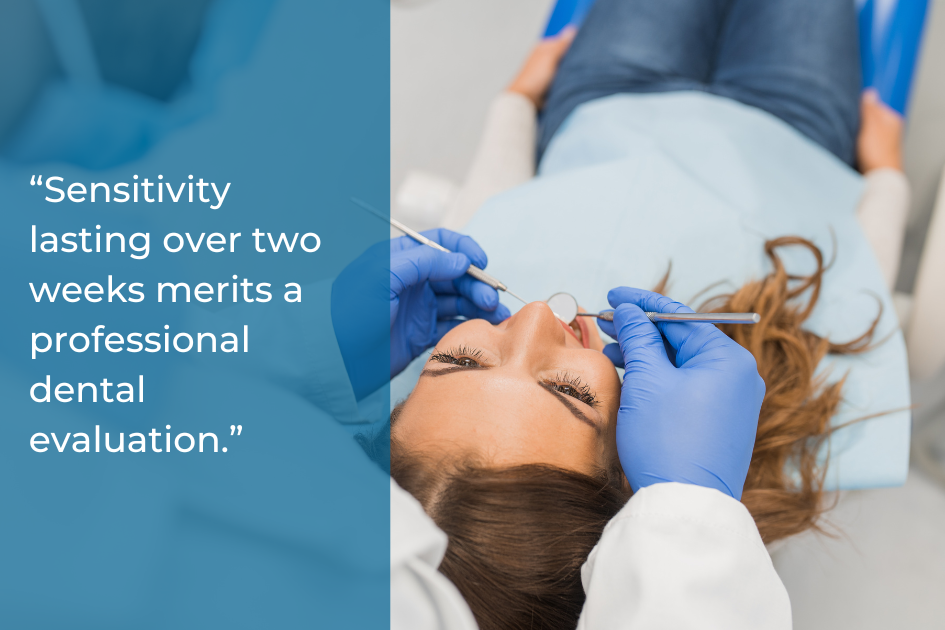
Temperature moderation helps, but persistent or worsening sensitivity signals pathology that merits a clinical exam. When symptoms exceed mild, self-limited episodes, we should arrange a professional consultation for a targeted dental evaluation. Timely diagnosis prevents progression to pulpitis, fracture, or periodontal involvement. Seek care promptly if we notice:
– Sensitivity lasting over two weeks despite desensitizing toothpaste
– Sharp pain to cold/heat that lingers over 10–15 seconds
– Localized tenderness, swelling, bleeding, or gum recession
– Visible cracks, recent dental trauma, or lost/restored fillings
– Night pain, spontaneous throbbing, or sensitivity with biting pressure
A clinician can deliver definitive therapy, bonding, sealants, occlusal adjustment, periodontal care, or endodontic treatment.
Conclusion
Let’s put it all together. If we pinpoint triggers, use desensitizing toothpaste, refine brushing, rinse with fluoride, curb acids, support remineralization, protect gums, and temper food temperatures, we can take the sting out of sensitivity. Evidence shows these steps reduce dentin tubule fluid movement and calm pulpal nerves. Still, when pain persists, chips a tooth, or disrupts sleep, it’s time to call in the cavalry, professional evaluation for caries, fractures, bruxism, or recession, and targeted treatments. Ready to get started? Pick one or two steps to try today, set a reminder to use your desensitizing toothpaste twice daily for at least two weeks, and schedule a dental checkup if symptoms don’t improve within 10–14 days.
Need extra support? Contact Montgomery Park Dental in Conroe, TX, to schedule an exam and let us help you get to the root of your tooth sensitivity.