
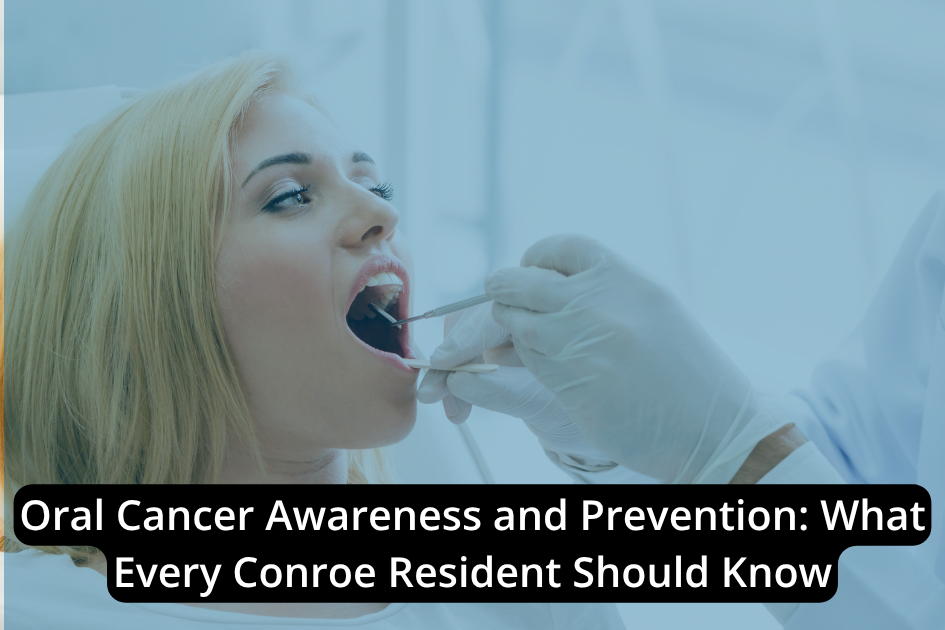
Oral cancer represents a significant health concern that
Oral Cancer Awareness and Prevention: What Every Conroe Resident Should Know
Oral cancer represents a significant health concern that demands our attention. By understanding the risk factors and recognizing early symptoms, we can take important steps toward prevention. Regular screenings and modern dental technologies play essential roles in early detection. It’s imperative for us to engage in open conversations with our healthcare professionals. As we explore the importance of these practices, let’s consider how we can better safeguard our oral health and that of those around us.What Is Oral Cancer and Why Awareness Matters
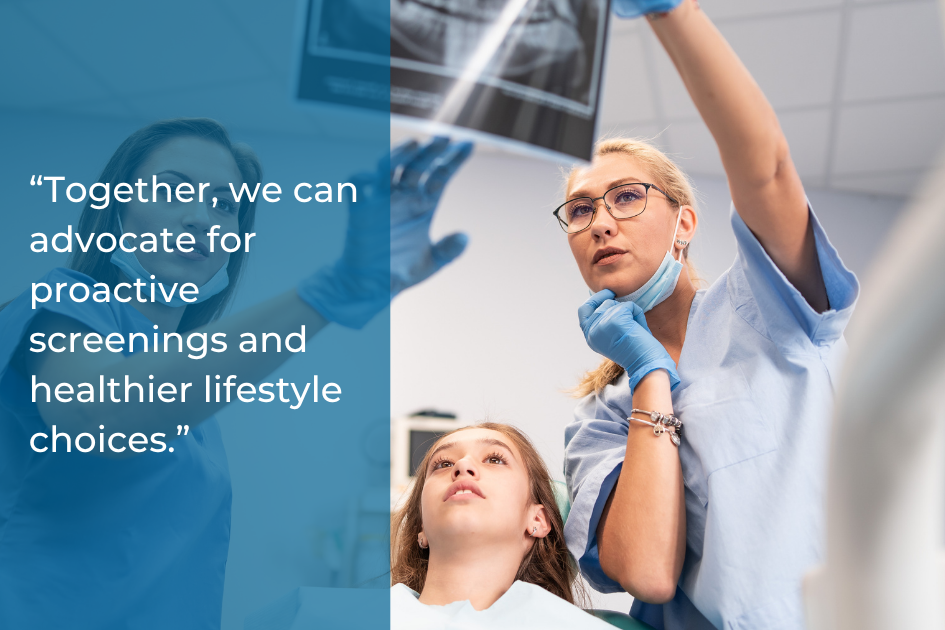
Oral cancer involves the abnormal growth of cancerous cells in various parts of the mouth, and understanding its risk factors is essential. By raising awareness, we can emphasize the importance of early detection, which greatly improves treatment outcomes. Together, we can advocate for proactive screenings and healthier lifestyle choices to combat this serious condition.
Understanding Oral Cancer
Cancer in the mouth can greatly impact our health and quality of life. It’s essential to dispel oral cancer myths, as many people underestimate its seriousness. Regular screenings can uncover issues before they escalate, providing significant treatment options. We can learn from patient experiences, which highlight the importance of early detection and community awareness. Risk factors like smoking and HPV contribute to this disease, making proactive measures vital. By fostering a culture of awareness and encouraging screenings, we empower ourselves and our community to take charge of oral health, minimizing the devastating effects of oral cancer.
Why Early Awareness Can Save Lives
Awareness plays a pivotal role in combating mouth cancer, transforming how we approach this serious health issue. By prioritizing early detection strategies, we can greatly enhance outcomes. Here’s how we can make a difference together:
- Risk factor education helps identify behaviors that increase cancer risk.
- Community awareness programs spread essential information about symptoms and prevention.
- Screening accessibility initiatives guarantee everyone can receive timely examinations.
- Support group resources offer emotional and practical assistance to those affected.
Together, we can foster a more informed society, leading to earlier diagnoses and improved survival rates for oral cancer.
Common Signs and Symptoms You Should Never Ignore
When it comes to oral cancer, recognizing warning signs is essential for early intervention. Persistent sores, unusual patches, and any pain or difficulty swallowing in the mouth should never be overlooked. By staying alert to these symptoms, we can take proactive steps towards better oral health.
Persistent Sores and Unusual Patches
Persistent sores and unusual patches in the mouth are symptoms we can’t afford to overlook, as they may signal serious underlying conditions. To guarantee our oral health, we should focus on:
- Persistent ulcer evaluation: Sores that last more than two weeks warrant attention.
- Oral patch identification: Recognizing white or red patches can aid early detection.
- Healing sore timeline: Sore healing should occur within a few weeks; delays may indicate issues.
- Biopsy significance: A biopsy can confirm or rule out cancerous cells.
Maintaining good oral hygiene impacts our overall health, making vigilance essential. Let’s prioritize our well-being together.
Pain, Difficulty Swallowing, or Changes in the Mouth
Pain, difficulty swallowing, and noticeable changes in the mouth are symptoms we shouldn’t ignore. These signs can indicate serious conditions, including oral cancer. We should prioritize pain management strategies and consider incorporating swallowing exercises to ease discomfort. Maintaining good oral hygiene is essential, and nutrition adjustments can help support overall health. Additionally, reaching out for emotional support resources can provide necessary encouragement during challenging times. If we experience any of these symptoms, it’s critical to consult a healthcare professional promptly. Early detection and intervention can greatly improve outcomes, making awareness and action important for our well-being.
Who Is at Risk for Oral Cancer?
When we consider who is at risk for oral cancer, it’s crucial to recognize various factors, including lifestyle choices and environmental influences. Age and genetics also play significant roles in determining susceptibility. By understanding these risks, we can better inform our approach to prevention and early detection.
Lifestyle and Environmental Risk Factors
While many people may not realize it, certain lifestyle and environmental factors greatly increase the risk of developing oral cancer. It’s essential to be aware of these influences:
- Tobacco effects: Smoking and chewing tobacco considerably raise oral cancer risk.
- Alcohol consumption: Excessive drinking exacerbates the potential for developing cancerous cells.
- Dietary impacts: Poor nutrition can weaken our immune system, making us more susceptible.
- HPV connection: Human papillomavirus is linked to many oral cancer cases, particularly in younger individuals.
Age, Genetics, and Other Contributing Factors
Understanding who is at risk for oral cancer involves examining several factors, including age and genetics. Age-related risks increase as we get older, with most cases occurring in individuals over 45. Genetic predisposition can elevate risk, particularly for those with a family history of oral cancers. Our immune system plays an essential role; a weakened immune response may allow cancerous cells to thrive. Additionally, lifestyle choices, such as tobacco use and excessive alcohol consumption, considerably contribute to risk. Finally, environmental exposures, like prolonged sun exposure and certain chemicals, can further increase our vulnerability to oral cancer.
The Importance of Early Detection and Routine Screenings
Regular dental visits play an essential role in catching oral health issues early, including signs of cancer. By prioritizing routine screenings, we can greatly improve treatment outcomes through early diagnosis. Together, let’s understand how these proactive measures can safeguard our health.
How Regular Dental Visits Help Catch Issues Early
Early detection of oral cancer can greatly impact treatment outcomes, and routine dental visits play an essential role in this process. Through regular screenings, we enhance our ability to identify potential issues early. Here’s how these visits benefit us:
- Preventive education keeps us informed about risk factors.
- Screening techniques allow for thorough examinations of oral tissues.
- Patient engagement fosters open communication about symptoms and concerns.
- Risk assessment helps identify individuals needing more frequent check-ups.
Additionally, community outreach initiatives raise awareness, ensuring that more people understand the importance of early detection in oral health.
Why Early Diagnosis Improves Outcomes
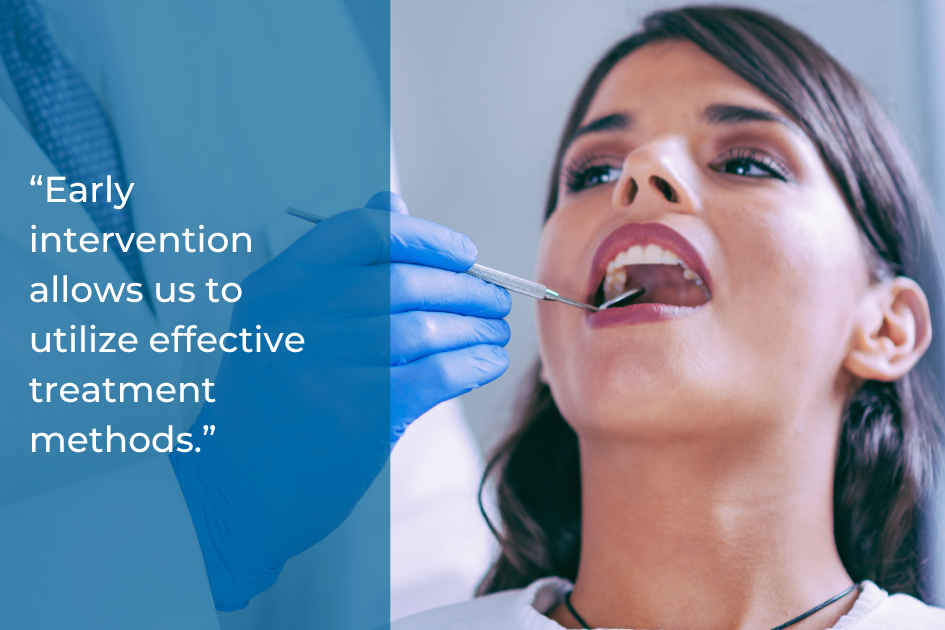
While many may overlook the importance of routine screenings, catching oral cancer in its early stages greatly enhances treatment outcomes. Early intervention allows us to utilize effective treatment methods, greatly enhancing survival rates. Through community outreach and patient education, we can raise awareness about screening benefits and risk reduction. Regular screenings help identify potential issues before they escalate, making it crucial for everyone, especially those at higher risk, to participate. By prioritizing early detection, we empower ourselves and our communities to combat oral cancer more effectively, ensuring healthier futures for all. Let’s commit to proactive oral health management together.
What to Expect During an Oral Cancer Screening
During an oral cancer screening, we’ll conduct a thorough visual and physical examination of your mouth. These checks are quick, comfortable, and non-invasive, allowing us to assess any abnormalities effectively. Understanding what to expect can help ease any concerns you may have about the process.
Visual and Physical Examination Process
At our dental office, we take oral cancer screenings seriously, ensuring a thorough and efficient process for every patient. We utilize advanced dental technology and effective visual inspection techniques to assess your oral health. Here’s what you can expect during your screening:
- Extensive visual examination of your mouth and throat.
- Use of risk assessment tools to evaluate your personal risk factors.
- Consideration of patient comfort factors throughout the process.
- Discussion of screening frequency recommendations based on your risk profile.
Quick, Comfortable, and Non-Invasive Checks
When we conduct an oral cancer screening, you can expect a quick, comfortable, and non-invasive process designed to assess your oral health efficiently. We focus on maximizing screening benefits through thorough risk assessment and patient education. During the check, we’ll examine your mouth for any concerning signs, promoting early intervention if needed. Our commitment to community outreach guarantees everyone understands the importance of these screenings. By identifying potential issues early, we can enhance treatment effectiveness and improve outcomes. Regular screenings are essential, especially for those at higher risk, as many may have oral cancer without noticeable symptoms.
Preventive Steps to Lower Your Risk
To lower our risk of oral cancer, we must prioritize daily oral hygiene and adopt healthy habits. A balanced diet, proper hydration, and mindful lifestyle choices play essential roles in prevention. By making these adjustments, we can greatly enhance our oral health and overall well-being.
Daily Oral Hygiene and Healthy Habits
How can we effectively lower our risk of oral cancer? By incorporating healthy daily routines into our lives, we can make a significant impact. Here are some preventive steps we should consider:
- Maintain daily oral hygiene: Brush twice and floss daily using quality oral products.
- Make smart dietary choices: Include fruits and vegetables while limiting processed foods.
- Stay hydrated: Drink plenty of water to support oral health.
- Manage stress: Practice relaxation techniques to maintain overall wellness.
Diet, Hydration, and Lifestyle Choices
Building on our commitment to daily oral hygiene and healthy habits, diet, hydration, and lifestyle choices play a considerable role in reducing the risk of oral cancer. By adopting mindful dietary habits and emphasizing their importance, we enhance our overall wellness. Integrating fruits, vegetables, and whole grains into our meals fosters nutrition awareness while avoiding processed foods and excessive alcohol consumption. Lifestyle modifications, such as quitting smoking and managing stress, further lower our risk. Together, these proactive wellness choices empower us to protect our oral health and considerably decrease the likelihood of developing oral cancer. Let’s make informed decisions for our well-being.
How Modern Dental Technology Supports Early Detection
Modern dental technology plays an essential role in the early detection of oral cancer. By utilizing advanced imaging and diagnostic tools, we can enhance accuracy in identifying potential issues and increase patient confidence in their care. Together, we can prioritize proactive screenings to catch problems early and improve treatment outcomes.
Advanced Imaging and Diagnostic Tools
Advanced imaging and diagnostic tools play an essential role in the early detection of oral cancer, greatly enhancing our ability to identify abnormalities before they escalate. By utilizing innovative tools, we can improve patient outcomes considerably. Here are four advanced technologies that support this crucial effort:
- Digital X-rays – Provide clearer images with reduced radiation exposure.
- 3D Imaging – Offers detailed views of oral structures for precise diagnosis.
- Fluorescence Imaging – Highlights cancerous tissues that may not be visible to the naked eye.
- Saliva Testing – Detects biomarkers linked to oral cancer, facilitating early intervention.
Improving Accuracy and Patient Confidence
Recent advancements in dental technology have greatly enhanced the accuracy of oral cancer detection and improved patient confidence in the screening process. Through effective technology integration, we can identify potential issues earlier, which leads to better outcomes. Our patient education initiatives and community outreach efforts help raise public awareness about the importance of regular screenings. By connecting patients with support groups, we foster an environment where individuals feel empowered to discuss their concerns. Together, we can encourage a proactive approach to oral health, ensuring that everyone understands the significance of early detection in preventing oral cancer.
Why Preventive Dental Care Matters for Conroe Residents
Preventive dental care is essential for us as Conroe residents, ensuring easy access to routine checkups and screenings. By prioritizing our oral health, we can build long-term habits that help detect issues like oral cancer early on. Together, we can create a healthier community through consistent dental care and awareness.
Access to Local Dental Care in Conroe, TX
While many residents in Conroe, TX, may prioritize immediate dental issues, access to local dental care for preventive measures is essential for maintaining overall oral health. We can take advantage of various resources within our community, including:
- Local dental resources for routine check-ups.
- Community health initiatives promoting oral health awareness.
- Patient education programs to inform us about preventive care.
- Preventive care workshops that enhance our understanding of oral hygiene.
Engaging in oral health outreach not only aids in early detection but also empowers us to make informed decisions about our dental care and overall health.
Building Long-Term Oral Health Habits
Building long-term oral health habits is essential for maintaining our overall well-being, especially for residents in Conroe. By focusing on building healthy routines, we can enhance our long-term oral hygiene. Daily care strategies, such as brushing twice and flossing daily, form the foundation of preventive health practices. Regular dental check-ups further support sustainable dental habits, helping us catch potential issues early. We should also consider dietary choices that promote oral health, as these habits contribute to our overall health. Together, we can empower ourselves and our community to prioritize oral health, ultimately reducing the risk of oral cancer and other complications.
Conclusion
To summarize, by prioritizing oral cancer awareness and prevention, we can truly make a difference in our community. For instance, consider a hypothetical patient, John, who regularly attends screenings. Early detection revealed precancerous lesions, allowing for prompt treatment and a positive outcome. By advocating for routine check-ups and educating ourselves about risk factors, we empower each other to take proactive steps. Together, let’s commit to enhancing our oral health and reducing the impact of oral cancer in Conroe.
Ready to take the next step? Schedule your dental checkup at Montgomery Park Dental in Conroe, TX, and let our team help you stay proactive with regular oral cancer screenings and preventive care.