
Dental Crowns in Conroe, TX
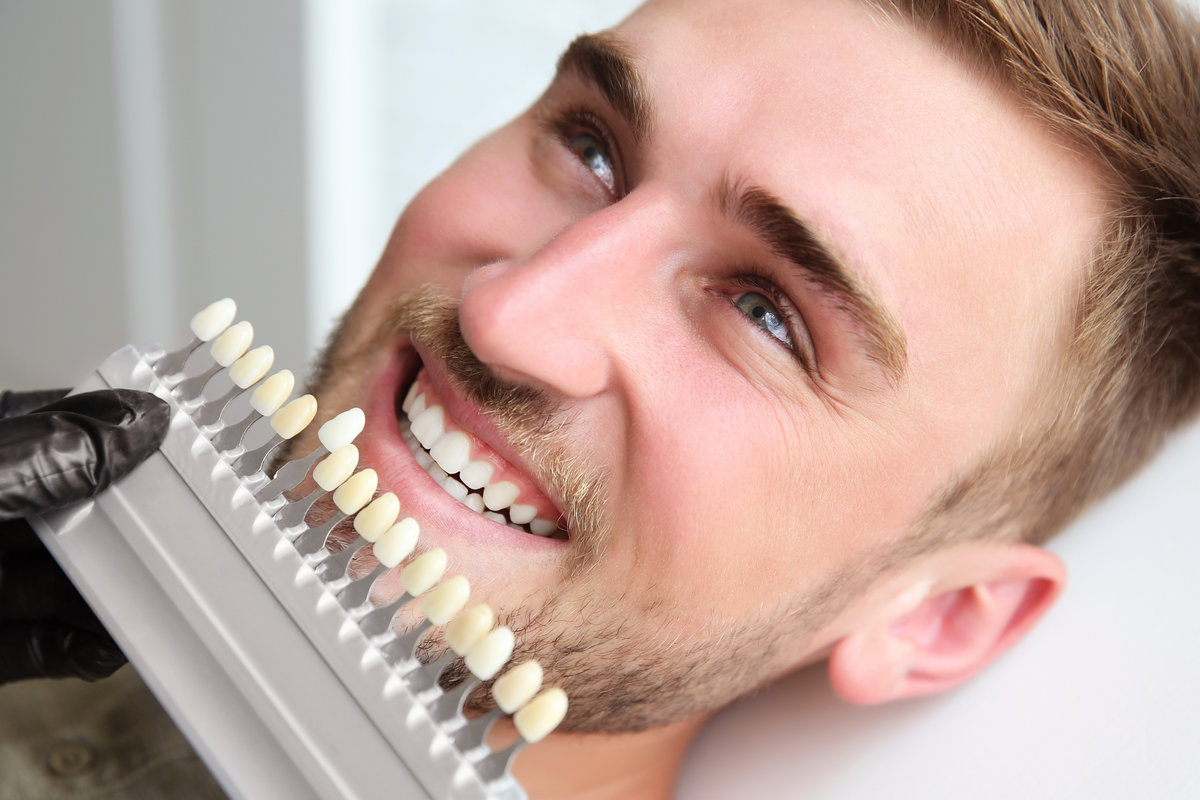

A cracked, worn, or heavily decayed tooth leaves patients facing a decision: protect what’s left or risk losing the tooth entirely. A dental crown covers the entire visible portion of a damaged tooth, restoring its shape, strength, and function so it can hold up to normal daily use for years to come. At Montgomery Park Dental, Dr. Carolyn Jovanovic and Dr. Jarom Aston place custom ceramic crowns using CEREC same-day technology, which means patients leave with a finished permanent restoration in a single visit rather than waiting two to three weeks for a lab to fabricate one.
Dr. Jovanovic completed an honors implant program at NYU College of Dentistry. Dr. Aston is a Fellowship graduate of the Misch Resnik Implant Institute. Both bring advanced restorative training to every crown case, and both take a conservative approach: a crown is recommended only when the tooth genuinely needs full coverage, not as a default.
What Is a Dental Crown?
A dental crown is a tooth-shaped cap that fits over the entire visible surface of a natural tooth, from the gumline up. It is custom-designed to match the color, shape, and bite of the surrounding teeth, so it blends in rather than stands out. Crowns are used to restore teeth that are too damaged for a filling alone, to protect teeth that have been weakened by a root canal, and to cover teeth that are severely discolored or misshapen.
At Montgomery Park Dental, our crowns are milled from high-strength ceramic blocks chosen to replicate the look of natural tooth enamel. The material is digitally shaded before milling, giving us precise control over how the final crown matches the patient’s other teeth. Ceramic crowns are strong enough to handle normal chewing pressure while remaining visually seamless with natural enamel.
When a Crown Is the Right Call
A filling works well when decay affects only a small portion of a tooth. Once damage becomes more extensive, a filling alone may not withstand normal biting pressure. Crowns cover the entire visible portion of the tooth, providing far more structural support for teeth that are cracked, heavily worn, or weakened after a large filling has failed.
Crowns are also placed after a root canal because removing the nerve and inner pulp can make the remaining tooth structure more brittle over time. A crown added after root canal treatment protects the tooth from fracture and extends its lifespan. Common situations where a crown is the appropriate choice include:
- A tooth with a large or failing filling that needs more support than a repair can provide
- A cracked or fractured tooth that is still salvageable with full coverage
- A tooth that has undergone root canal therapy and needs protection from fracture
- A tooth that is severely discolored or misshapen and cannot be improved with bonding or veneers alone
- A tooth that serves as an anchor for a dental bridge
Whatever brings a patient in, we walk through the tooth’s condition and the reasoning behind our recommendation before any treatment begins.
What Happens During a Same-Day Crown Visit?
The process begins the same way as any traditional crown: we examine the tooth, remove any decay or damaged structure, and shape it to receive the crown. From there, the CEREC process takes a different path. Instead of taking a putty impression and mailing it to an outside lab, we use a digital intraoral scanner to capture a precise 3D image of the tooth from the dental chair.
That scan feeds directly into design software, where the crown is custom-shaped to fit the patient’s bite and match the surrounding teeth. A milling machine in our office then carves the crown from a solid ceramic block while the patient waits. We cement it into place before they leave. No second appointment, no temporary crown sitting in place for two weeks, and no gap in the schedule while a lab finishes the work.
Harper’s Preserve Dentistry, another local provider, also offers CEREC technology and notes that the full process takes approximately two hours. Our process is similarly efficient, and because Dr. Jovanovic and Dr. Aston perform the digital design in-house, every detail of the crown’s fit and shade is reviewed by the treating doctor before it leaves the milling unit.
How Long Do Dental Crowns Last?
With proper care, dental crowns typically last 10 to 15 years or longer. The CDC notes that untreated decay can progress into deeper tooth structures and eventually cause infection, making a timely crown a meaningful long-term investment in the health of the tooth. Longevity depends on the material used, the location of the tooth in the mouth, and how well a patient maintains the surrounding area through brushing, flossing, and routine exams and cleanings.
Between visits, we check on existing crowns during routine exams to catch any wear, loosening, or margin gaps early, well before they become bigger problems. Ceramic crowns, like natural enamel, can chip under extreme force, so patients with a grinding habit may benefit from a nightguard to protect their restoration.
Why Same-Day Crowns Are Worth Considering
A traditional lab-fabricated crown requires two separate appointments stretched two to three weeks apart. During that stretch, patients wear a temporary crown that is more prone to coming loose, wearing down, or letting bacteria reach the prepared tooth underneath. Same-day crowns eliminate that window entirely.
Same-day crowns also mean fewer trips away from work, school, or family. For patients managing a busy schedule, cutting a two-visit process down to one is often the deciding factor. The shorter timeline also reduces the time spent managing a temporary restoration and the dietary restrictions that come with it.
MORE SERVICES
Dental Crown FAQs
Are dental crowns painful?
The procedure itself is performed under local anesthesia, so patients typically feel pressure during tooth preparation but not pain. Some sensitivity around the treated tooth is normal for a few days after placement and usually fades on its own. Over-the-counter pain relievers are generally enough to manage any post-procedure discomfort.
How long do dental crowns last?
With proper care, dental crowns last 10 to 15 years or longer. Same-day ceramic crowns offer comparable longevity to traditional lab-fabricated restorations. Lifespan depends on the material, the tooth’s location, and daily habits including brushing, flossing, and routine checkups. Patients who grind their teeth may benefit from a nightguard to protect the restoration.
What materials are dental crowns made from?
Our same-day crowns are milled from high-strength ceramic designed to match natural tooth enamel in color and translucency. Traditional crowns can also be made from porcelain fused to metal, zirconia, or metal alloy. Each material has trade-offs in strength, aesthetics, and cost. We discuss which option best fits the tooth’s location and functional demands during the consultation.
How much do dental crowns cost?
Crown costs vary depending on the material used, the tooth being treated, and whether additional procedures are needed beforehand. Many dental insurance plans cover a portion of crown treatment when it is medically necessary. We recommend calling our office at (936) 756-6867 to verify your coverage before the appointment.
Can I get a crown on the same day?
Yes. Montgomery Park Dental uses CEREC CAD/CAM technology to design, mill, and cement a permanent ceramic crown in a single visit. The entire process, from digital scan to cemented restoration, typically takes two to three hours. No temporary crown, no return visit, and no waiting on an outside lab.
What is the difference between a CEREC crown and a traditional crown?
A traditional crown requires two appointments and a two-to-three-week wait while an outside dental lab fabricates the restoration. During that time, patients wear a temporary crown. A CEREC crown skips the lab step entirely: the crown is designed and milled in-office while the patient waits. Both types offer similar long-term durability and fit. The key difference is convenience and timeline.
Schedule Your Crown Consultation at Montgomery Park Dental
Dr. Jovanovic and Dr. Aston bring advanced restorative training to every case, from straightforward crown placements to more complex restorations following root canals or implant procedures. Our team walks through the tooth’s condition and the reasoning behind every recommendation before any treatment begins, so patients understand exactly what to expect and why a crown is the right call.
If you have a cracked tooth, a failing filling, or a tooth that needs protection after a root canal, our Conroe team is ready to help. Contact us today to schedule a consultation and restore your tooth with confidence.