
Fluoride Treatments in Conroe, TX
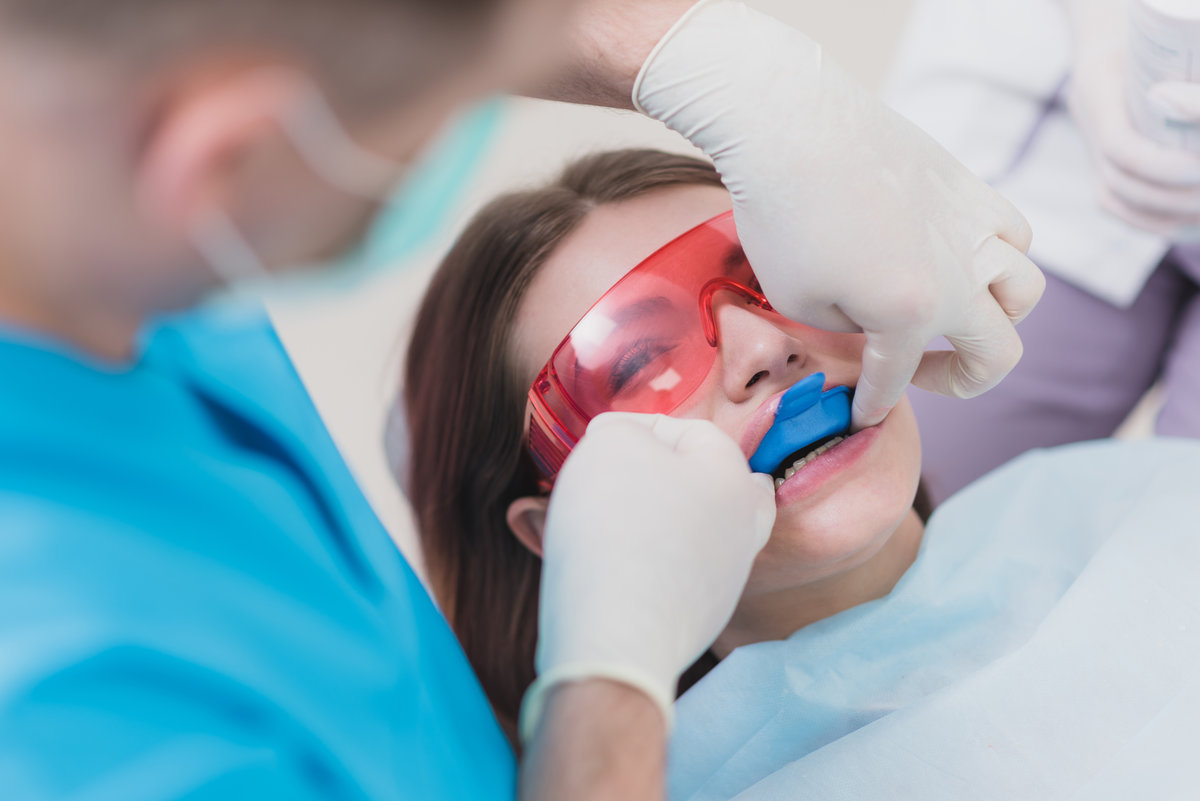

Cavities can form quietly, chipping away at enamel long before a person feels any pain, and by the time discomfort sets in, the damage is often more advanced than expected. Fluoride treatments work in the background to reinforce enamel and give teeth a better chance of resisting the everyday wear caused by sugar, acid, and bacteria. Preventing decay before it starts is almost always easier and less costly than treating it after the fact.
At Montgomery Park Dental, we build fluoride treatments into our broader approach to preventive dentistry for patients of nearly every age. We look at each smile individually, because some people need a little extra reinforcement while others may benefit more from a different remineralizing option, and we walk through those choices together before deciding on a plan.
What Fluoride Treatments Do for Your Teeth
Fluoride works by helping enamel absorb minerals it has lost to everyday acid exposure, a process known as remineralization. Strong enamel is harder for bacteria to break through, which lowers the odds of a cavity forming in the first place. This matters most in areas that are hardest to clean with a toothbrush alone, such as the grooves on the chewing surfaces of the back teeth.
According to the Centers for Disease Control and Prevention, fluoride reduces tooth decay by about 25 percent in both children and adults when delivered consistently. That reduction adds up over years of everyday wear, which is part of why fluoride treatments remain one of the most studied and recommended tools in preventive dentistry. A treatment applied in the office works faster and at a higher concentration than toothpaste or tap water alone typically can.
Who Benefits Most from Fluoride Treatments?
Children are often the first group people think of when fluoride comes up, and their developing teeth do benefit substantially from it. Though adults are not exempt from the risk of decay, and the following situations call for added fluoride support at any age:
- Patients with a history of frequent cavities, because existing weak spots in enamel are more likely to develop new decay.
- Patients with dry mouth from medication or medical conditions, because saliva plays a natural role in protecting enamel.
- Patients with exposed root surfaces from gum recession, because roots lack the same protective enamel layer as the crown of the tooth.
- Patients undergoing orthodontic treatment, because braces and aligner attachments create more surfaces where plaque can collect.
Patients undergoing clear aligner treatment often find this last point especially relevant, as the additional surfaces from attachments make consistent fluoride support worthwhile throughout treatment.
MORE SERVICES
Fluoride Treatment Options We Offer
Traditional fluoride varnish is applied directly to the teeth and left to work for several minutes before a patient can eat or drink normally again. It is quick, comfortable, and typically finishes within the same visit as a cleaning or exam. We also offer a hydroxyapatite-based remineralizing product for patients who are curious about a different approach, strengthening enamel through a distinct mineral pathway.
Choosing between these options usually comes down to personal preference, as both approaches aim to strengthen enamel and reduce the risk of decay. We talk through the differences so patients can choose what fits their comfort level and their family’s needs, whether that means fluoride varnish for a child prone to cavities or the hydroxyapatite option for someone who wants to try something different.
Fluoride Treatments as Part of Ongoing Prevention
Fluoride treatments work best as one part of a consistent prevention routine rather than a standalone fix. Pairing them with regular cleanings, a solid at-home brushing habit, and attention to diet gives enamel the best possible chance of holding up over time. Many of the patients we see who avoid cavities year after year are simply consistent about the basics, and fluoride treatment is one more layer of support on top of that foundation.
Catching early, reversible enamel weakness before it becomes a cavity requiring a filling is one of the more satisfying parts of preventive dental care. Reversing that early damage means a patient can avoid a drill entirely, and it is one of the reasons we emphasize prevention so heavily. Bringing fluoride treatment into a regular checkup schedule is a small addition that can meaningfully change how a smile holds up over the years.
Protect Your Smile With Montgomery Park Dental
Our team has spent more than a decade focused on general dentistry with a strong emphasis on prevention, and helping patients avoid unnecessary dental work is one of the parts of the job we enjoy most. We see patients of nearly every age for fluoride treatment, and we take the time to walk through which option, whether traditional fluoride or our hydroxyapatite alternative, fits a particular smile best.
If it has been a while since your last cleaning or you want to ask about adding fluoride treatment to your routine, we would be glad to talk it through at your next visit. You can reach out to us to schedule an appointment or ask any questions about which preventive option makes the most sense for you.