
Root Canal Therapy in Conroe, TX
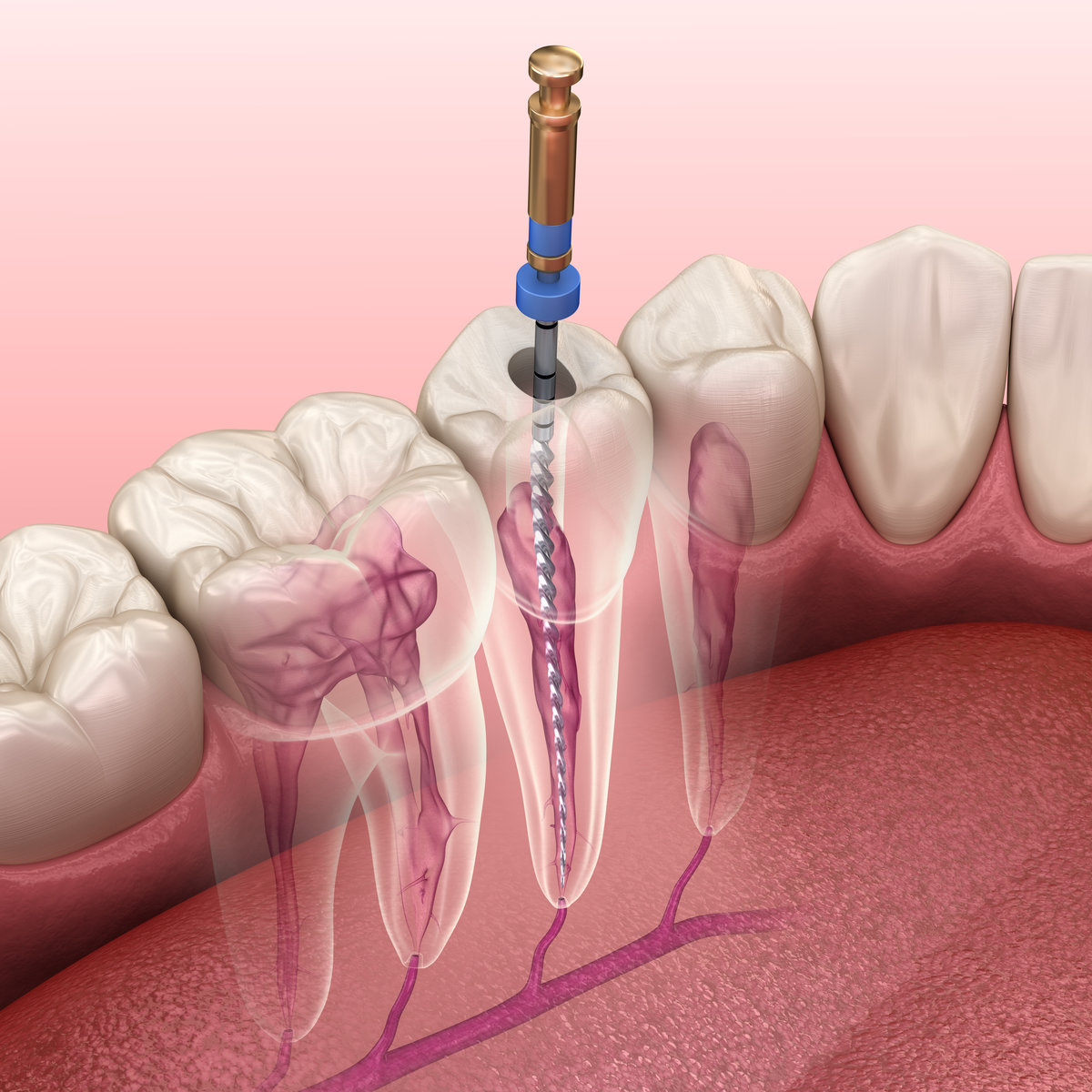

A toothache that will not go away is not something to push through. When pain lingers or worsens with pressure, heat, or cold, it can be a sign that the inside of the tooth, where the nerves and blood vessels are located, has become infected or inflamed. Left untreated, this kind of infection does not resolve on its own, and it can eventually threaten the tooth itself.
At Montgomery Park Dental, we provide root canal therapy to remove infected tissue, relieve pain, and preserve your natural tooth whenever possible. Our team of experienced doctors uses modern technology and a gentle approach to help you get relief without unnecessary worry. Before we explain how the procedure works, it helps to understand what causes this type of tooth pain in the first place.
What Root Canal Therapy Treats
Root canal therapy addresses damage or infection inside the pulp, the soft tissue at the center of a tooth that contains nerves and blood supply. This damage usually stems from deep decay, a cracked tooth, or repeated dental procedures on the same tooth over time. If left untreated, once the pulp becomes infected, bacteria can spread through the root canals and into the surrounding bone.
Common signs that a tooth may need this treatment include lingering sensitivity to hot or cold, pain when chewing, swelling near the gums, or a darkened tooth. Some infections cause little to no pain at first, which is one reason regular exams matter even when nothing feels wrong. Our general and preventive dentistry visits are designed to catch these issues early, before they progress to something more serious.
How We Diagnose the Problem
Before recommending root canal therapy, we need a clear picture of what is happening beneath the tooth’s surface. We use CBCT imaging, a form of three-dimensional X-ray, to examine the root structure, surrounding bone, and any signs of infection with far more detail than a standard X-ray provides. This level of detail helps us confirm whether a tooth truly needs root canal therapy or if a more conservative option might resolve the issue instead.
We also use digital diagnostic tools to help explain what we are seeing directly on your X-rays, so you understand your treatment recommendation rather than simply being told what to do. This kind of clarity matters to us, since a conservative, minimally invasive approach means recommending the least invasive treatment that will actually solve the problem. When root canal therapy is genuinely the right option, having this detailed diagnostic picture also helps the procedure go more smoothly from start to finish.
MORE SERVICES
What to Expect During Root Canal Treatment
During treatment, we remove the infected or inflamed pulp from inside the tooth, then clean and shape the empty root canals to prepare them for filling. Once the canals are clear, we fill and seal them to prevent bacteria from returning. Many teeth need a dental crown afterward to restore strength and protect the tooth from future fractures, since a tooth that has undergone this treatment can become more brittle over time.
Recovery is typically brief. Most patients return to normal activities within a day or two, with only mild soreness that responds well to over-the-counter pain relief. We recommend the following steps to support healing after treatment:
- Avoid chewing directly on the treated tooth until any temporary filling or crown is fully in place.
- Stick to softer foods for the first day or two to reduce strain on the area.
- Keep brushing and flossing as usual, being gentle around the treated tooth.
- Contact our office if swelling, fever, or pain worsens instead of improving.
Following these steps closely in the days after treatment gives the tooth the best chance to heal fully and function normally for years to come.
Why Timely Treatment Matters
Root canal therapy is one of the most effective ways to save a tooth that would otherwise need extraction. A long-term study on tooth survival after root canal treatment found a cumulative survival rate of 97 percent after 10 years, with success rates remaining above 80 percent even after three decades. Waiting to treat an infected tooth only gives bacteria more time to spread, which can lead to a more painful and complicated extraction rather than a straightforward, tooth-saving procedure.
Beyond pain relief, saving your natural tooth helps preserve your bite alignment and jawbone structure, both of which can shift once a tooth is removed. Our practice takes a conservative approach to treatment planning, meaning we only recommend root canal therapy when it is genuinely the best path forward for your long-term oral health.
Get Lasting Relief at Montgomery Park Dental
Montgomery Park Dental has served the Conroe community for more than a decade, and our team of experienced doctors is equipped to handle everything from routine cleanings to more involved procedures like root canal therapy. We know a persistent toothache can be stressful, and our goal is to relieve your pain quickly while giving your tooth the best chance at a long, healthy future in your mouth.
We accept PPO insurance plans and offer financing options to help make treatment more manageable. Our team is happy to walk you through your options during your visit. If you are dealing with tooth pain that will not quit, do not wait for it to get worse. Contact our office today to schedule an evaluation and find out if root canal therapy is right for you.